The cost of an architectural render varies depending on the complexity of the project, the level of detail and the required image quality. More than an expense, an architectural render is an investment that directly impacts the perception, communication and commercialization of a real estate development.
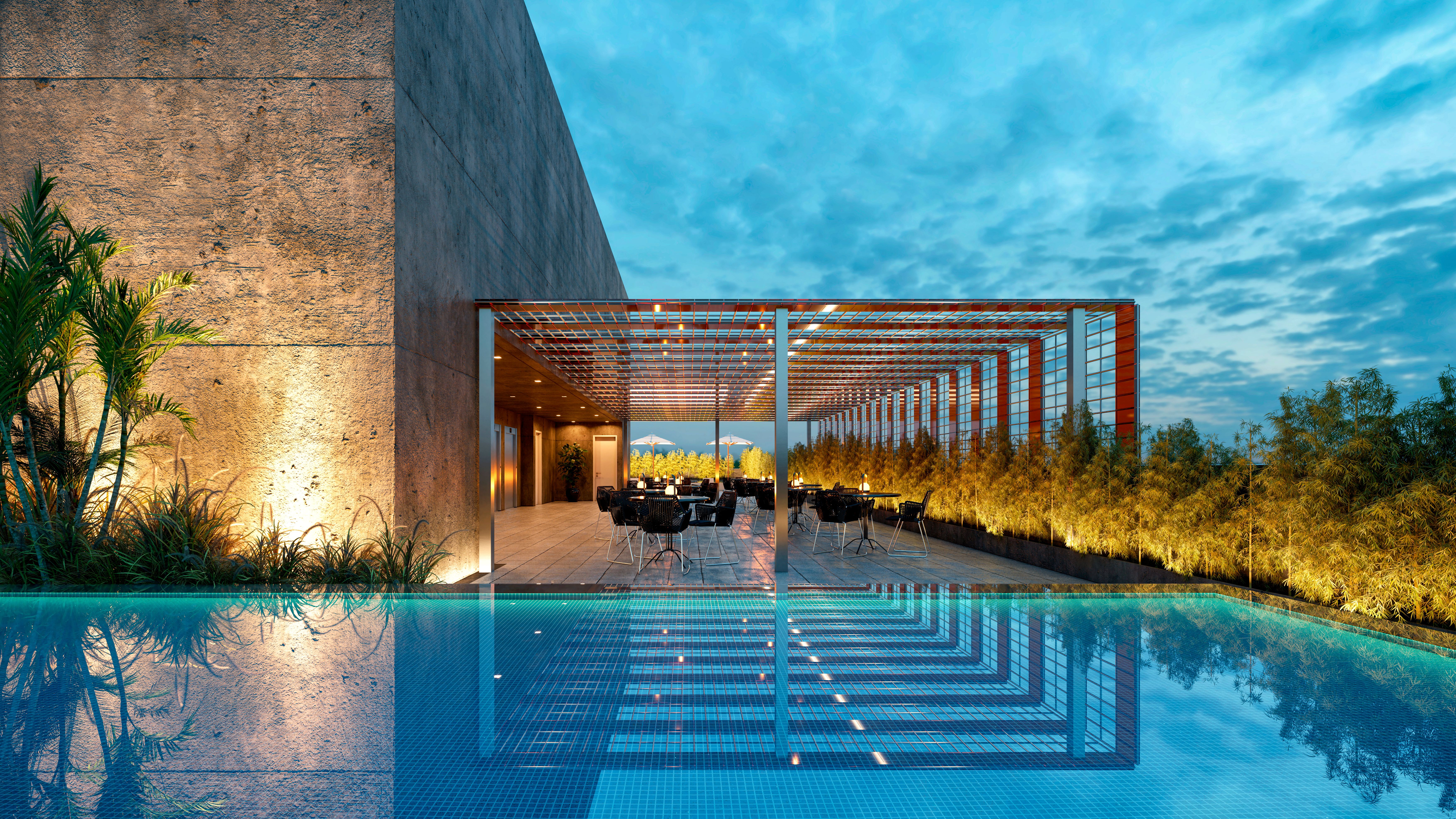
The price of an architectural render is not fixed.
It can vary depending on the type of project, the level of detail and the scope of the work.
In general terms, there are different levels of production. However, when the objective is to clearly communicate a project, generate visual impact and support commercialization, the quality of the render becomes a central factor.
The difference is not only in the price, but in the result and in how that image represents, positions and enhances the value of the project.
The cost depends on multiple variables that impact both the development of the project and the production process.
Among the main factors are:
● Project complexity
● Number of requested images
● Definition of the project (plans, 3D model, references)
● Delivery times
● Number of revisions
In this context, for LZRender the level of detail, realism and image quality are not considered variables, but a working standard.
Each of these aspects influences production time and process organization.
The difference in pricing is not only in the final result, but in the approach, the process and the objective of each development.
Not all renders respond to the same need. Some are created to validate internal design decisions, while others are developed as communication, positioning and commercialization tools.
In this context, the difference lies not in the level of detail or realism, but in the level of project development, the intention of the image and the role it plays within the strategy.
An architectural render should not be evaluated only by its cost, but by the value it brings to the project.
A well-developed image can improve perception, facilitate understanding and directly support the commercialization process.
When integrated as part of a strategy, a render does not just show a project, it contributes to how it is perceived, understood and chosen.
Is a more expensive render always better?
Not necessarily. The difference lies in the approach and in how the image supports the project’s goals.Can the cost of an architectural render be adjusted?
Yes. The scope can be adapted based on the number of images, timelines, and project needs.Does the price include changes and revisions? It depends on the studio, although adjustment stages are typically included within the process.
The cost of an architectural render depends on multiple factors, but its real value lies in the impact it creates within the project.
A well-developed image not only communicates better, but also supports and enhances its commercialization.
Lucas Zatko, CEO of LZRender