The number of architectural renders a real estate project needs depends on its scale, complexity and communication strategy. In general, between 5 and 10 renders are used to present a development in a clear, attractive and commercially effective way. In larger projects, between 15 and 20 or more may be required.
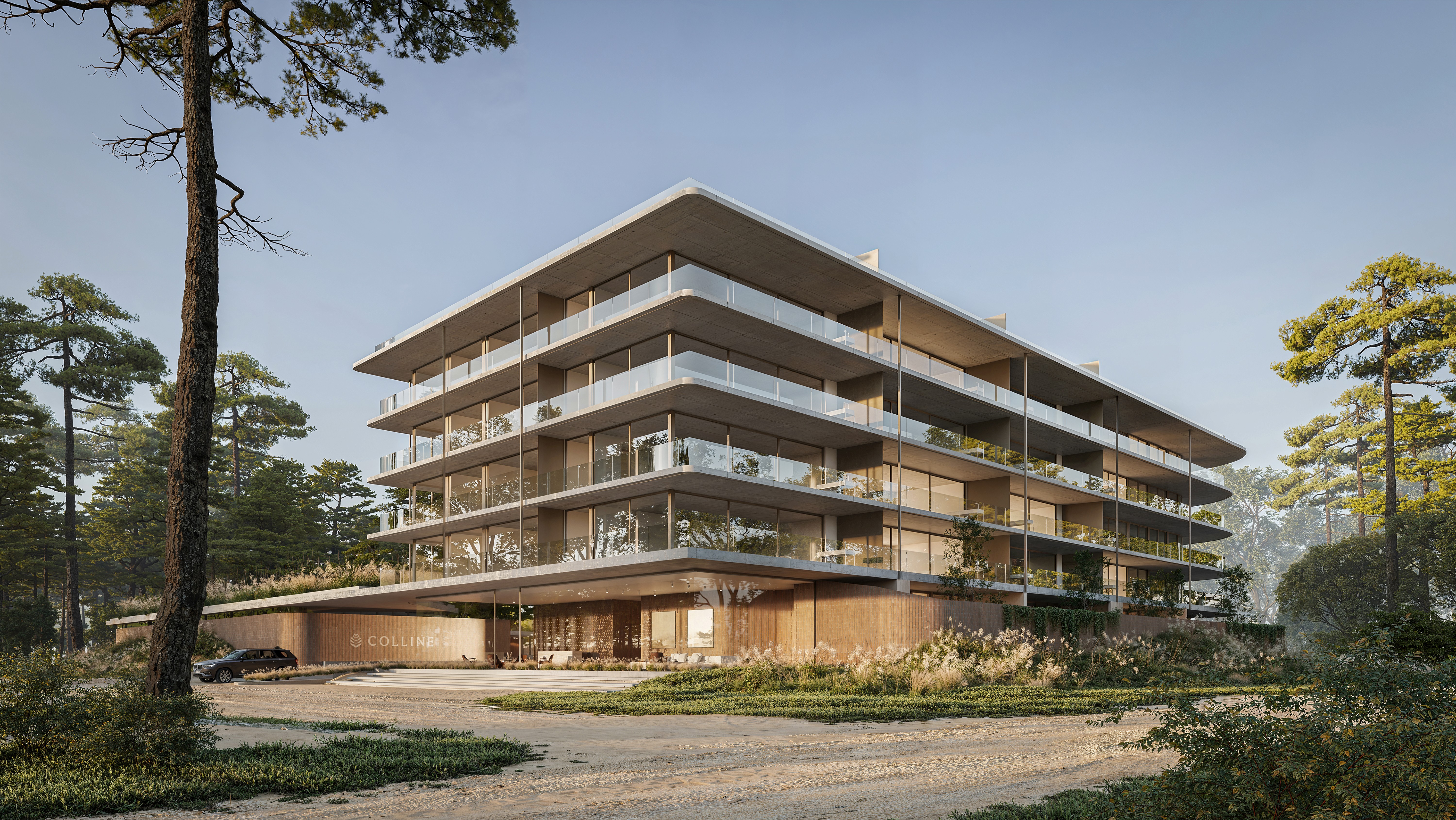
There is no single number of architectural renders that applies to all projects. The quantity depends on factors such as the size of the development, the type of product, the target audience and the level of detail that needs to be communicated.
However, the goal is always the same: to present the project in a complete way without creating saturation.
In practice, for medium-scale projects, between 5 and 10 architectural renders are usually used. For large-scale projects, from 15 and even reaching more than 30.
This usually includes:
● Main exterior views
● Access or facade views
● Aerial images
● Representative interior spaces
● Amenities
● General views of the project
This allows the project to be communicated in a balanced way, covering key aspects without losing focus.
The number of architectural renders is defined based on:
● Project scale
● Sales strategy
● Type of development (residential, commercial, mixed)
● Target audience
● Communication channels (website, social media, presentations)
Each render must have a clear purpose within the overall set.
An architectural render must add value to the project. Adding too many images can dilute the message, create confusion or reduce the impact of the main views.
On the other hand, a strategic selection of renders allows the viewer’s attention to be guided, a narrative to be built and greater interest to be generated.
Is it better to have more renders to sell better?
Not necessarily. What matters is the quality and intention behind each render, not the quantity.Can renders be added after the launch?
Yes. New views can be added as the communication strategy evolves.Does every space need a render?
No. Only those that add value to the understanding and commercialization of the project.
The number of architectural renders does not define the success of a project. What truly matters is how they are used to communicate, generate interest, and build a clear and compelling proposal.